


Retail Crime Crisis Deepens: Security Powers, Sentencing Reforms, and Rising Violence Spark National Debate

Catch a Thief UK News
The UK’s growing retail crime wave has taken a more serious turn this week, as leading supermarket executives call for stronger enforcement powers, while sentencing reforms risk reducing custodial penalties for repeat offenders.

The debate has intensified following recent disorder in Clapham, where large groups of youths targeted high street stores, raising fresh concerns about deterrence, policing, and staff safety.
Clapham Chaos Triggers Industry Alarm
Senior figures at Marks & Spencer have issued stark warnings after what they describe as increasingly “brazen, organised and aggressive” attacks on stores.
The Clapham incidents, reportedly fuelled by social media “link-ups”, saw large groups overwhelm shops, forcing closures and placing staff and customers at risk.
Retail director Thinus Keeve said violence against staff is becoming routine, citing incidents involving assaults, hospitalisation, and even chemical attacks.
He warned that without stronger policing and government action:
“We are powerless,”
and called for greater transparency around crime data and a more consistent crackdown on repeat offenders.

Iceland Boss Calls for Armed Security
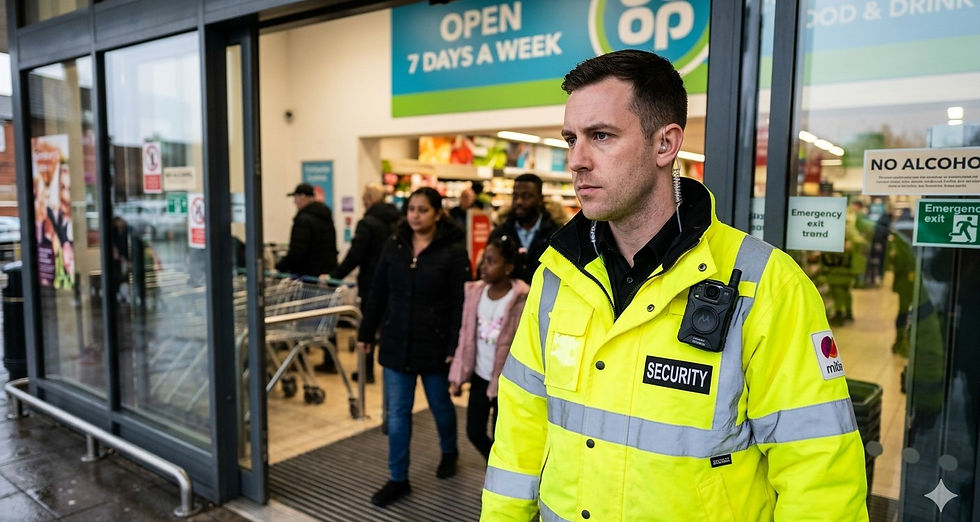
In a significant escalation of rhetoric, Richard Walker, boss of Iceland, has called for shop security guards to be equipped with truncheons and pepper spray.
Speaking in the aftermath of the Clapham disorder, Walker argued that retail crime should no longer be viewed as minor theft:
“We call it shoplifting… but actually it is violent crime.”
He pointed to European models, stating that in countries such as Spain, security personnel are already equipped with such tools and “don’t mess about.”
Walker emphasised that even a single violent incident against staff is unacceptable and warned that the current system is failing to protect frontline workers.

Retail Workers Facing Daily Abuse
The calls come amid wider industry concern about the scale of the problem. Reports suggest:
A majority of retail workers have experienced abuse
A significant proportion have faced physical assault
Many incidents go unreported or unprosecuted
For retailers, the issue is no longer just theft, but violence, intimidation, and organised criminal activity.
Sentencing Reforms Add to Concerns
Alongside these developments, proposed changes linked to the Labour Party aim to reduce reliance on short prison sentences, particularly those under 12 months.
Supporters argue this could:
Reduce reoffending through rehabilitation
Ease pressure on overcrowded prisons
However, critics, including Chris Philp, warn the move could weaken deterrence, with claims that thousands of repeat shoplifters may avoid jail.
While such figures remain politically contested, the concern from retailers is clear: any perceived reduction in consequences may embolden persistent offenders.
A Perfect Storm for Retail Crime?
The convergence of:
Rising shoplifting levels
Increasing violence against staff
Organised “flash mob” style incidents
Potentially softer sentencing for low-level offences has created what many in the industry see as a perfect storm.
Retail leaders are now calling for a coordinated national response involving:
Stronger policing presence
Tougher and more consistent sentencing
Greater legal protections for staff
Enhanced powers for in-store security
Catch a Thief UK Perspective
From a crime prevention standpoint, the situation reflects a clear shift in offending behaviour, from opportunistic theft to repeat, organised, and increasingly violent crime.
The suggestion of arming security officers with defensive tools such as batons or spray highlights just how serious the issue has become.
However, any such measures would need careful consideration within UK law, training standards, and proportional use-of-force guidelines.
What remains critical is balance:
Deterrence must be visible and credible
Staff safety must be prioritised
Repeat offenders must face meaningful consequences
Conclusion
The Clapham incidents may prove to be a tipping point in the national conversation on retail crime.
With major brands like Marks & Spencer and Iceland speaking out, pressure is mounting on policymakers to act decisively.

Whether through sentencing reform, stronger enforcement, or enhanced security powers, one thing is clear: The UK's retail sector is demanding change and urgently.


Comments